The Allure of Risk and Reward
The psychology behind casino gaming is deeply rooted in the human fascination with risk and reward. When we gamble, we engage in a behavior that triggers our brain’s reward system. Winning, even in small amounts, releases dopamine, a neurotransmitter that promotes feelings of pleasure and encourages repeated behavior. This cycle of excitement and gratification is what makes gambling so compelling. In this context, many players might explore options like crypto casino no kyc to enhance their gaming experience.
Moreover, the unpredictability of gambling outcomes adds to its allure. The thrill of uncertainty can create an adrenaline rush that keeps players coming back for more. The prospect of winning big not only fuels excitement but also taps into our natural desire for achievement and success. This combination of risk and potential reward creates a powerful attraction that is hard to resist.
Social Interaction and Community
Casino gaming is often not a solitary experience; it is a social activity that can foster connections and create a sense of belonging. Many individuals enjoy the communal atmosphere of casinos, where they can share their experiences and emotions with fellow gamblers. This shared experience can enhance the enjoyment of gaming, making it more than just about money, but also about socializing.
Additionally, the presence of friends and acquaintances during gambling can serve to mitigate the inherent risks. The support of a social group can provide a sense of validation and encourage risk-taking behaviors. This social dynamic is particularly strong in communal games like poker, where strategy and interaction play significant roles, further enhancing the gaming experience.
The Role of Escapism
For many, casino gaming serves as a form of escapism, offering a temporary reprieve from the stresses and responsibilities of everyday life. Engaging in gambling allows individuals to immerse themselves in a different world, one where they can forget their daily concerns and indulge in fantasies of wealth and success. This can be particularly appealing in times of economic uncertainty or personal hardship.
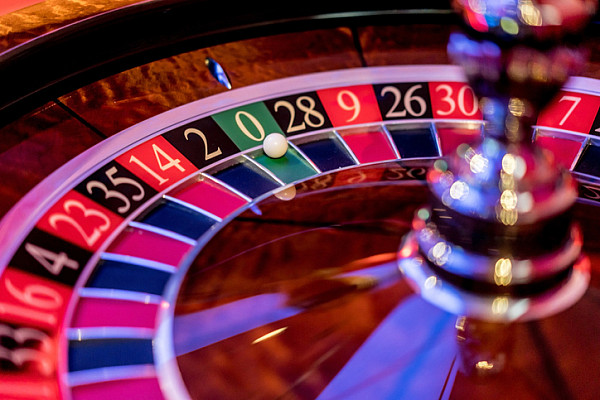
The immersive environments of casinos, filled with lights, sounds, and the thrill of the game, can heighten this sense of escapism. Players may find themselves lost in the moment, drawn away from reality, and captivated by the potential for fortune. Unfortunately, this can also lead to unhealthy gambling habits, where the line between escape and addiction blurs.
Cognitive Biases and Gambling Behavior
Understanding cognitive biases can shed light on why people often gamble despite the odds being against them. One prevalent bias is the illusion of control, where gamblers believe they can influence the outcome of games involving chance, such as slot machines or roulette. This misguided confidence can lead to repeated gambling attempts, even in the face of significant losses.
Another cognitive bias at play is the gambler’s fallacy, the belief that past outcomes influence future results. For example, a player may think that a slot machine is “due” for a payout after a series of losses. These cognitive distortions can create a cycle of gambling behavior that reinforces the drive to play, despite financial ramifications.
Discovering Creative Perspectives on Gambling
While the exploration of casino gaming and gambling behavior is a critical topic within psychology, it is also a subject of creative expression. At sjpbysarahjessicaparker.com, visitors can delve into various artistic interpretations and insights related to lifestyle and personal narratives. The platform emphasizes innovative ideas and personal stories that can inspire reflection on human behavior, including the motivations behind gambling.
By engaging with diverse content on the site, users can gain a broader understanding of how gambling fits into the human experience, perhaps inspiring new ways to think about risk, reward, and the choices we make. The exploration of such topics encourages a deeper appreciation for the complexities of human psychology and its influence on our behaviors, including gaming.

Who we are?

NGCD enables customers to securely use their IT assets, urging the ideal occasion to support an impetus in the thing life cycle.
Read More